The Cruise Control Feature Is A Little-Known Gem For DPV Beginners
You just bought your first DPV. You’re scooting off the shoreline, drysuit zipped, regulator in, heart pounding with excitement… and your thumb? Already sore from gripping the trigger.
There’s a better way. And most beginners don’t even know it.
Enter: cruise control—the unsung hero of smoother, safer, and more enjoyable dives.
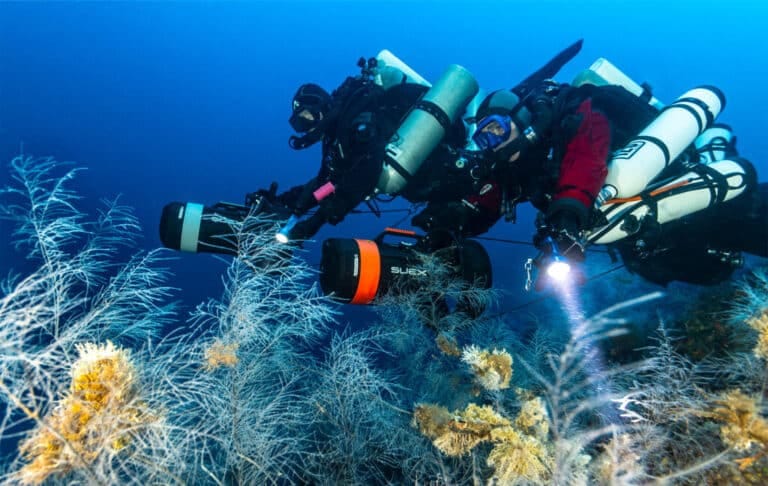
You’ve just powered on your DPV and drop down into the blue. Trimmed out, gliding forward—then realize you’ve been gripping the trigger nonstop. Your hand cramps. You slow down. The moment breaks.
This is where cruise control changes everything.
For new DPV users, it’s one of the most underutilized features—yet it delivers one of the biggest returns in control, comfort, and enjoyment.
What Is Cruise Control on a DPV?
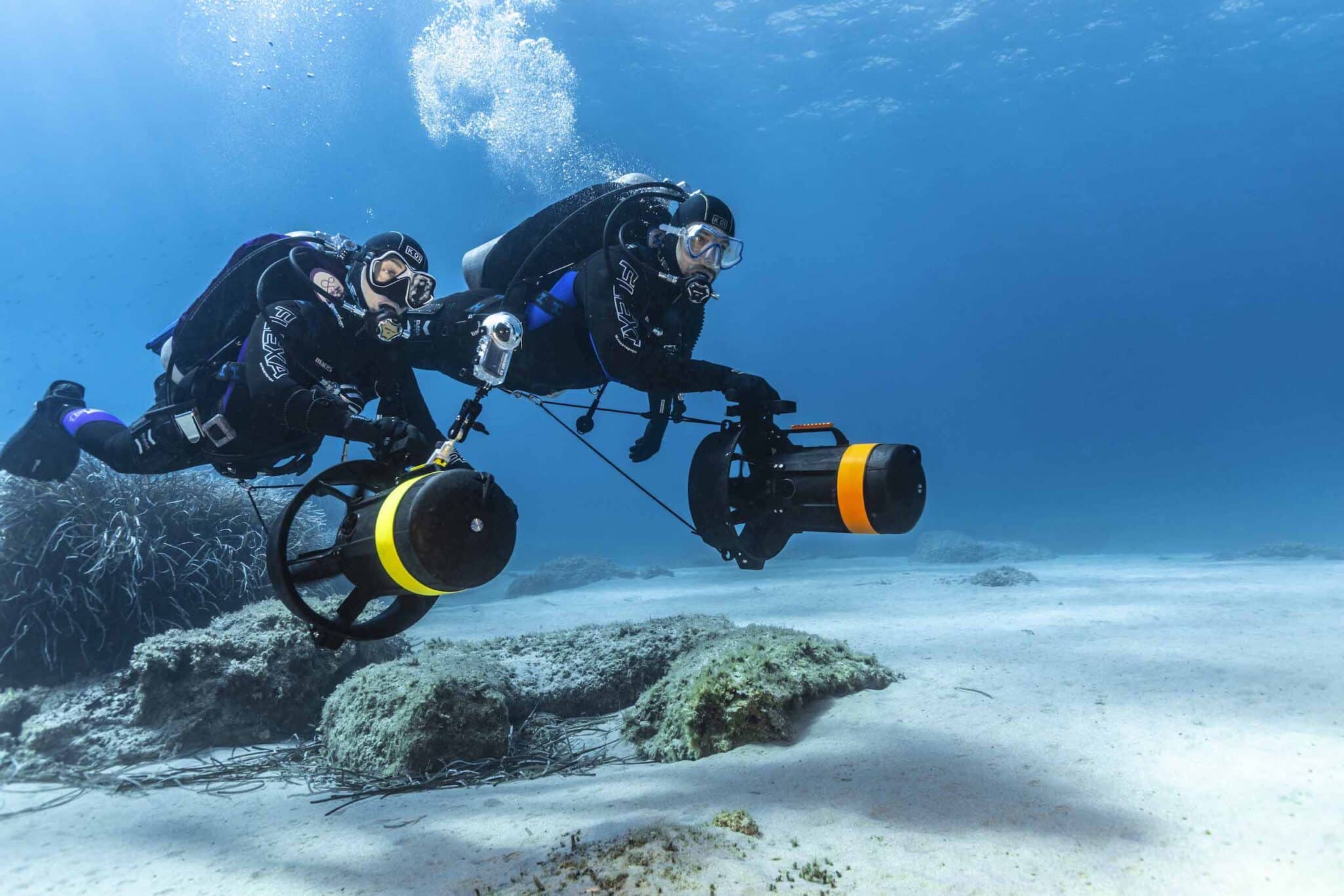
Cruise control on a Suex DPV is a mechanical lock system that holds the throttle in position, maintaining a consistent speed without requiring constant pressure from your hand. On Suex Scooters, the cruise control is on the handle, which allows you to lock in one of eight available speed settings for a hands-free, steady ride.
This makes it easier to maintain buoyancy and trim, conserve energy, and focus on your environment instead of your scooter.
Why Beginners Often Miss It
When you’re just starting with DPVs, your attention is divided between managing depth, buoyancy, orientation, and communication. Cruise control isn’t flashy. It’s not something instructors necessarily emphasize or even know about, as some other makes don’t even have this feature. And on your first dives, it can feel more important to hold the trigger “just in case.”
But once you engage it, you’ll quickly understand how much smoother your dives can be.
Top Benefits of Using Cruise Control as a New DPV Diver
1. Less Hand Fatigue
Squeezing the trigger throughout an entire dive leads to muscle tension and fatigue—especially if you’re navigating a long reef or performing repetitive drills. Cruise control gives your hands a break, allowing your forearm to relax and your entire body to move more naturally.
2. Improved Trim and Buoyancy
Releasing the tension in your grip often leads to better body posture in the water. With consistent propulsion and relaxed movement, your buoyancy and trim naturally improve. You’ll also reduce the chances of overcorrection or abrupt position changes, which is especially helpful in silty environments.
3. More Focus on the Dive
When your scooter is handling the propulsion for you, you can concentrate on navigating, observing, filming, or communicating with your dive buddy. It’s a critical feature for divers working with cameras or even running a line.
How to Engage Cruise Control on the Suex VR Series
Here’s how cruise control works on the VR Series, based on Suex’s official user manual:
- Turn the speed regulator dial to select your desired speed. There are 8 positions (1 being slowest, 8 being fastest).
- Once the scooter is powered and operating, use your finger to pull the cruise control knob up until it locks the throttle in place.
- The DPV will continue at the selected speed without requiring further input.
- To deactivate cruise control, simply push it back down with your finger to disengage the cruise control lock.
This system is designed to be glove-friendly and reliable, even in cold or high-current environments. Always test cruise control at the surface or in open, hazard-free water to familiarize yourself with the release action.
A Feature That Grows With You
While cruise control is especially useful for beginners, it remains a favorite tool among experienced divers. Whether you’re doing a relaxed reef loop or conducting a technical run in a cave or wreck, cruise control helps streamline your movement and conserve your focus.
Try It Yourself
If you’ve never used cruise control on a dive, make it part of your next scooter session. Once you do, you’ll wonder how you ever managed without it.